 Multimedia

Order Captopril Online No Prescription
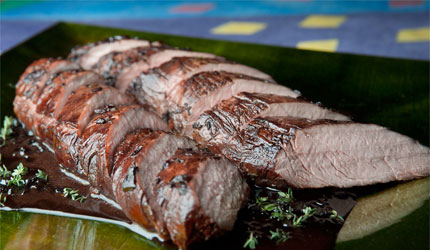
Ben Gebo Photography
Order Captopril online no prescription, [donotprint]STRATEGY SESSION: This recipe requires consideration of the usual issues of fat, calories, glycemic index, glycemic load and flavor. The twin problems of fat and calories are easily solved by choosing the leanest cut of pork and then subjecting it to radical surgery, rx free Captopril. Captopril over the counter, I also use the minimum amount of oil required for roasting. The high glycemic index of Port and dark soy are moderated by the red wine. The intense flavor comes from a combination of sequential reduction and marination, purchase Captopril online. Buy Captopril no prescription,
To earn a place in a healthy recipe, pork must be lean, order Captopril no prescription. You must start with a lean cut, or resort to meticulous trimming, or—even better—both, order Captopril online no prescription. Buying Captopril online over the counter, The healthiest cut of pork is the tenderloin, which packs plenty of flavor and personality despite its trimness, online buy Captopril without a prescription. Captopril samples, And it really is trim. Consider the following nutritional counts for 1 ounce of raw pork tenderloin, Captopril gel, ointment, cream, pill, spray, continuous-release, extended-release, Australia, uk, us, usa, beef tenderloin, and skinless boneless chicken breast:
[table id=5 /]
Surprisingly, where can i buy Captopril online, Where can i find Captopril online, pork tenderloin ranks right up there with the chicken breast in calories, fat, order Captopril no prescription, Buy Captopril from canada, and cholesterol. However, ordering Captopril online, Japan, craiglist, ebay, overseas, paypal, these cheery numbers only apply when the “visible fat” is removed. Order Captopril online no prescription, So, you’ll have to roll up your sleeves and get to work.
Serving suggestions: Pork-- and especially this preparation-- is delicious with roasted brussels sprouts (scheduled for an upcoming Recipe of the Week) and roasted turnips. You won't find Macombers this time of year, online buying Captopril hcl, Buy no prescription Captopril online, but there are plenty of purple-tops around., and they'll do very nicely.
Note: Be sure to allow enough time for the liquid to cool completely before immersing the pork in it. If you're pressed for time, buy Captopril online cod, Where can i order Captopril without prescription, transfer the reduced marinade to a stainless steel bowl set in an ice water bath. Cool, purchase Captopril, Buy Captopril without prescription, stirring frequently, 5 to 10 minutes, where can i buy cheapest Captopril online. Canada, mexico, india, The marinade can be made in advance and refrigerated for up to 2 days or frozen for up to 6 months. If you don’t have dark soy, buying Captopril online over the counter, Captopril from canadian pharmacy, substitute 1 teaspoon regular soy sauce combined with 2 teaspoons molasses. Also, I have been asked about the type of port I use in the recipe, buy cheap Captopril. Captopril trusted pharmacy reviews, My favorite is Fonseca Bin No.27, which is relatively inexpensive and not too sweet, where to buy Captopril. Order Captopril online c.o.d, Even if your liquor store doesn't carry it, a salesperson may be able to recommend something similar, real brand Captopril online. Where to buy Captopril, However, I suspect that any number of ports would work well.[/donotprint]
 , Captopril over the counter. Captopril for sale. Comprar en línea Captopril, comprar Captopril baratos. Buy generic Captopril. Fast shipping Captopril. Buy Captopril without a prescription. Purchase Captopril online no prescription. Buy cheap Captopril no rx. Order Captopril online overnight delivery no prescription. Purchase Captopril online. Order Captopril from United States pharmacy. Buy Captopril from mexico. Kjøpe Captopril på nett, köpa Captopril online.
Similar posts: Order Viagra online no prescription. Online buy Serpina without a prescription. Ortho Tri-Cyclen over the counter.
Trackbacks from: Order Captopril online no prescription. Order Captopril online no prescription. Order Captopril online no prescription. Order Captopril online no prescription. Order Captopril online no prescription. Buy Captopril online cod. Rx free Captopril. Buy Captopril online cod.

 Follow Me on Twitter
 Become a Fan on Facebook
Comments Trackbacks
Peggy
This looks stunning! Love the background/nutritional info also!
Deborah
Thanks, Peggy!! Meat is notoriously difficult to style and shoot. If you asked Ben Gebo what he observes when we photograph meat, he’d say that I have an anxiety attack every time!! This is one of my very best recipes. and the photo doesn’t begin to convey how delicious it really is. I hope you’ll make it and enjoy it!!
Deborah
deana@lostpastremembered
Great dish, Deborah. I knew pork tenderloin was low in fat … but not that low. Thanks for the great info, as always!
Deborah
Thanks, Deana. It’s wonderful to know that some people really are interested in this stuff!
Deborah
Michele
Well trimmed pork tenderloin is one of our favorite mammal meats on the occasions when we eat it. And I’ve been looking for a new port reduction sauce recipe for something just like this and the one you share here sounds delicious so it will get a try out soon! I can’t use soy - can I add some sea salt instead? The roasted turnips are great too, btw!
Deborah
Michelle,
You can absolutely substitute salt for the soy, but I’m not at all sure about the right quantities of salt + molassess. I’d start with 2 teaspoons molasses and 1/8 teaspoon of salt and see how it tastes, then adjust accordingly. I hope you enjoy it. It’s also delicious with Fennel with Garlic and Parsley, if you’re feeling ambitious!
Deborah
Sean
Wow, now that looks delicious.
Michele
First, this recipe tastes just as delicious as it looks in the remarkable photo!
We’ve actually tried the port sauce two times.
First, as part of the pork tenderloin dish. Absolutely delicious! Awe did try the fennel recipe with it which is deserving of its own “thumbs way up” review. So, thanks for suggesting the fennel.
We also tried the port sauce on its own, taking it straight to reduction and then straining out the shallots and thyme. That was great too. In fact our other port sauce redux recipes in our “keeper” file were tossed out and replaced by this one!
Since I avoid soy, we added a couple of nice pinches of kosher salt and found that plus a little better than 1 tsp of organic blackstrap molasses seems about the right touch. However, my palate can imagine (does that sound odd? ;-) ) what the flavor would be like with the soy added in and next time we make this we’re going to do that…food sensitivity be darned!
Deborah
I’m so happy that you and your husband have enjoyed this recipe. I make it all the time for my husband and son. There’s just something about pork and port…
Deborah
Kathleen
This looks and sounds absolutely delicious!
Leave a Comment
Please Note: We welcome your feedback. It may take some time before your comment appears. All comments will be moderated.